A Clean Label Guide to Packaged Food
Clean label means a label you can understand: ingredients you recognise and claims that match the nutrition table. Start with the ingredient list, then check the protein source, where the sweetness comes from and the serving size.
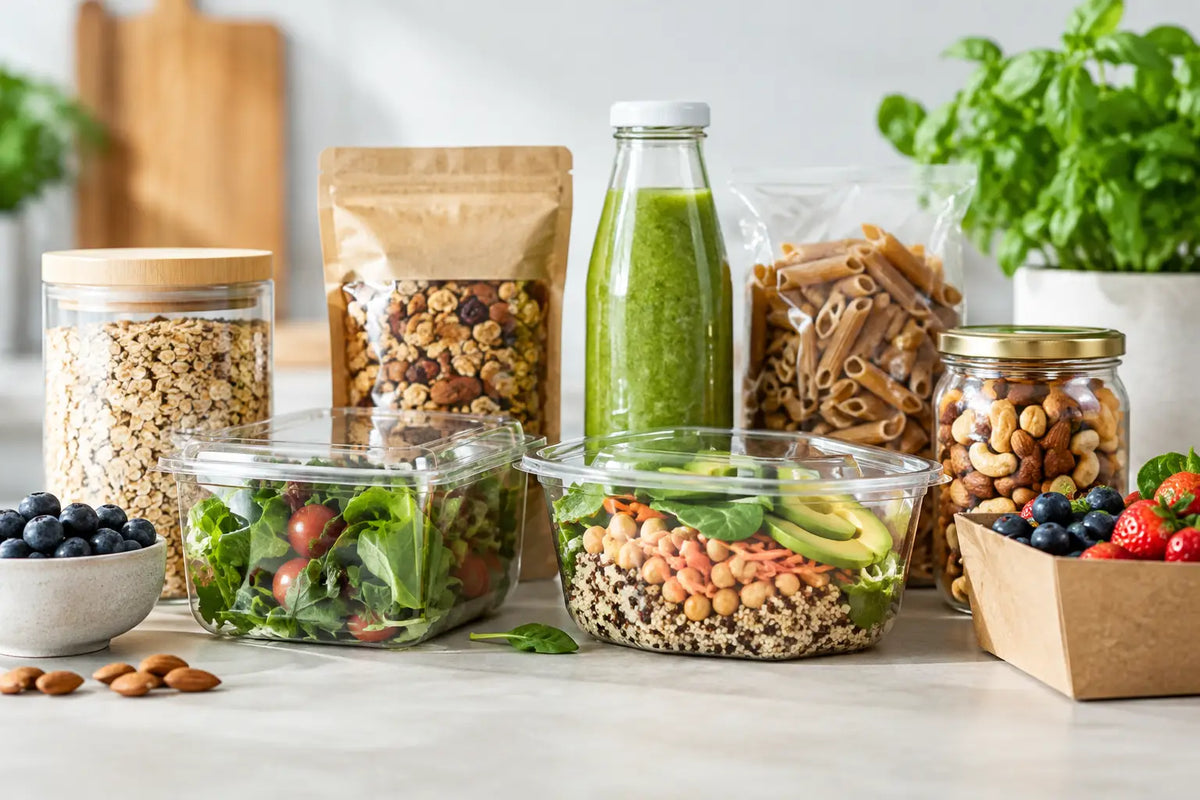
Choosing a snack often takes less than a minute, in front of a shelf, at the office or just before you leave home. This clean label guide to packaged food is here to make that minute clearer. Not to make you analyse every label like a scientist, but to help you quickly see what fits the way you want to eat.
Clean label does not mean a perfect product. It means a label that speaks clearly: ingredients you recognise, information you understand and claims that do not try to blur the picture. Things you can pronounce. No tricks.
What clean label means in practice
Clean label is not a single, legally defined rule that applies the same way to all foods. It is more a way to judge how transparent a product is. A clean label is not judged only by how short its ingredient list is. It is judged by whether the list makes sense for what the product is meant to do.
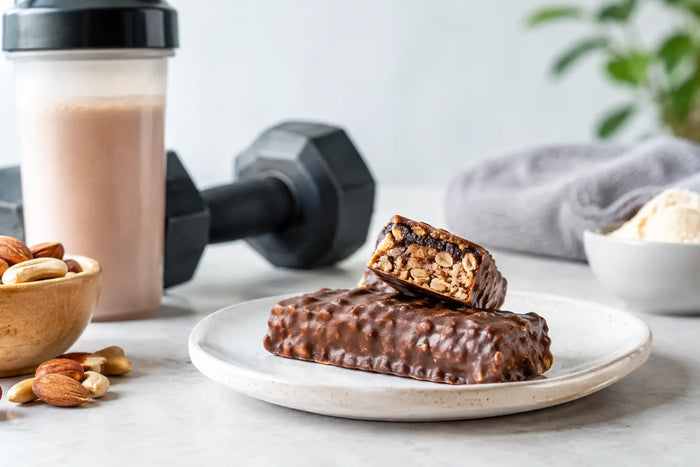
A protein bar, for example, needs a protein source, something that gives it flavour and texture, and ingredients that keep it practical to carry. The goal is not to have three ingredients just to look simple. The goal is for every ingredient to have a reason to be there and to be declared honestly.
In the same way, a long list does not automatically mean a bad choice. It may include nuts, fruit, seeds, cocoa and spices. What is worth checking is whether the complexity comes from real foods or from a chain of ingredients that does not easily tell you what they offer.
A clean label guide to packaged food: where to start
Start with the ingredient list, not the big phrase on the front of the pack. The front has one job: to tell you quickly what the product is. The back has the more important one: to show you what it really contains.
Ingredients are listed in descending order of weight. This means the first ones make up the largest part of the recipe. If you buy a product because you expect it to be based on a specific ingredient, check that it appears early in the list.
Then read the list like a sentence, not like a memory test. Do you recognise most of the words? Do you understand why they are there? If yes, you already have a good base. If not, do not reject the product automatically. Look up the unfamiliar ingredient and see whether its role explains why it is there.
A clean label does not require you to fear every word that sounds technical. It requires you not to buy blind.
Read the claims carefully
The words on the pack matter, especially when they are about sugar, allergies or nutrition. "No added sugar" means that sugar has not been added as an ingredient. It does not mean the product contains no natural sugars from ingredients such as fruit or dates.
This matters, it is not a detail. The nutrition table shows the sugars per serving and helps you see the full picture. A product is honest when the claim and the nutrition table tell the same story.
The same goes for "vegan" and "gluten free". These are clear pieces of information that help people with specific preferences or needs. On their own, they are not a measure of quality. A vegan snack can be simple or heavily processed. A gluten free product can be practical for someone but not the right choice for everyone. Context matters.
5 things worth checking
When time is short, keep this quick checklist:
1. The first ingredient. It usually shows what the product is based on.
2. The protein source. If you want a protein snack, you want to know where the protein comes from and how much a serving gives you.
3. The sweetness. Check whether it comes from fruit, fruit pastes, sugar or other sweeteners, and always compare with the nutrition table.
4. Allergens and dietary choices. Vegan, gluten free and other statements are only useful when they match what you need.
5. The serving size. The numbers only mean something when you know exactly what amount they refer to.
These five checks take no more than half a minute. With a little practice, they become a habit.
A short list is not always the best list
There is a tendency to treat every additive as a problem and every short list as proof of quality. That is understandable, but it oversimplifies things. Packaged food needs a balance between taste, texture, safety, shelf life and convenience.
For someone who is on the move all day, a snack that survives in a bag and keeps its texture has real value. For someone who avoids animal ingredients or gluten, clear labelling can make the difference. Clean label is not a contest for the fewest words. It is a choice based on transparency and usefulness.
The best question is not "does it have many or few ingredients?". It is "can I understand what I am eating and why I chose it?".
How to compare two similar snacks
When you have two bars or two similar products in front of you, do not stop at the calories or the flashy pack. Look at which one works for your real day. You want something that fits easily into your schedule, has a taste you like and matches the choices you already make.
Compare the amount of protein per bar, not only per 100 grams. Check its source. Look at the sugars per serving and where they come from. Then read the whole ingredient list. One option may have a better number in one place, while the other is closer to what you want overall.
There is no single right answer for everyone here. Someone who follows a plant based diet will use different criteria from someone who just wants a filling snack at the office. The right label is the one that helps you decide based on your own priorities, not the loudest title on the shelf.
When clean eating becomes a daily habit
Feel Good Bars follows the same logic with a 60 g vegan bar, 18 g of plant protein from peas and sweetness from royal date paste. No added sugar, gluten free and with ingredients that simply explain what you get in every bar. The bars are made in Greece, in an ISO certified facility.
You do not need to eat "perfectly" to eat consciously. You need a simple method, to look past the front of the pack and to choose products that speak clearly. Your next good choice can start with a label that does not try to confuse you.