Plant Protein for Every Busy Day
Plant protein from legumes, nuts and pea protein covers your needs with no animal ingredients. For busy days keep one option with a clear protein source and enough protein per serving, such as 18 g in a 60 g bar.
The meeting ran long, lunch slipped and your bag has a coffee and a packet of crackers in it. That is not the moment for another complicated food decision. You need a snack that has a reason to be there. Plant protein is a practical way to put something more substantial into the hours of the day when everything is moving at once.
This is not only for people on a vegan diet. It is for anyone who wants to read the label and understand what they are choosing. Someone who wants a snack that tastes filling, travels easily and is made from ingredients they can pronounce. No tricks.
What is plant protein?
Plant protein comes from plant foods such as legumes, grains, nuts, seeds and soy. In everyday eating you find it in lentils, chickpeas, beans, tofu, oats and products made with pea protein.
Protein, whatever its source, contributes to the growth and maintenance of muscle mass and to the maintenance of normal bones. That does not mean a snack replaces a balanced meal. It does mean it can be a useful choice inside a varied diet.
Pea protein has become popular because it is plant based, it fits vegan choices and it works easily in foods like bars, drinks and recipes. For many people it is also a practical answer when they look for gluten free products, as long as the pack states that clearly.
Why the word protein on the front is not enough
The word protein on the front of a pack is only the start. The real product shows on the back, where the ingredients and the nutrition values are. How much protein there is matters, but it is not the only thing to look at.
A good everyday choice needs a clear recipe, a taste you will want again and convenience. If something sits half eaten in a drawer because it is bland or too heavy, it is not really practical. Consistency is built with choices that fit your life, not with products that ask you to change it.
Treat the label as a small filter. Look for a clear protein source, check how many grams a serving gives you and read the ingredients in the order they appear. You do not need to become a nutritionist in front of the shelf. You need to know what you are picking.
Plant protein and a clean label
A clean label is not decoration. It is the difference between a product you understand and a product that makes you look up every word on it. When you eat snacks often, that simplicity counts.
There are four things worth checking:
- The protein source, so you know where it comes from.
- The grams of protein per bar or serving, not only per 100 g.
- The ingredient list, favouring things you recognise.
- The nutrition information and the allergens, especially if you avoid gluten or animal ingredients.
Simple does not mean every product has to be the same. A bar can use dates for taste and texture, cocoa, nuts or natural flavours. What matters is knowing what each one brings and not confusing natural sweetness with a different promise.
Dates, for example, contain natural sugars. So when a product uses date paste, the correct wording is no added sugar, not that it has no sugars at all. It is a small difference, but a real one, and it shows respect for the person reading the label.
When is a protein bar actually useful?
Not when it tries to become your whole diet. It is useful when it fills a real gap: on the way to work, between two commitments, after a long day at school or when you are out and want something with a more substantial recipe than a random snack.
Convenience is not the enemy of quality. It is what lets quality become a daily habit. A bar that travels well, needs no fridge and has clear specs can make the difference in a full schedule.
The amount matters too. Needs are not the same for everyone. One person wants a small snack in between, another wants something that carries them to the next meal. Look at the product in the context of your own day, your overall diet and what works for you in practice.
A choice that asks for no compromise
Vegan does not have to mean boring. Gluten free does not have to mean dry. And plant protein does not have to come with a taste you merely tolerate so you can say you made the right choice.
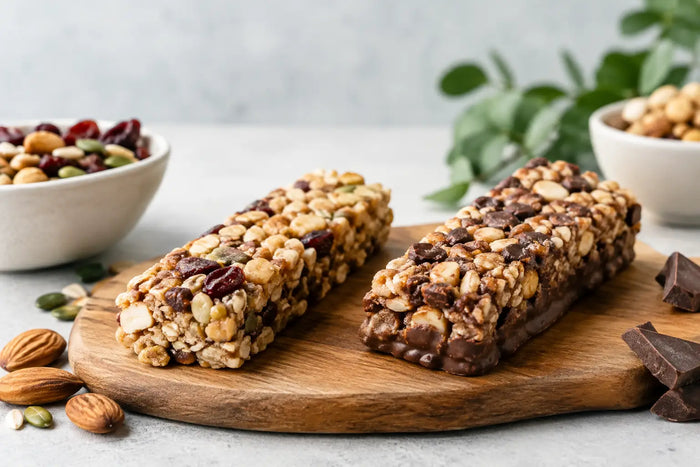
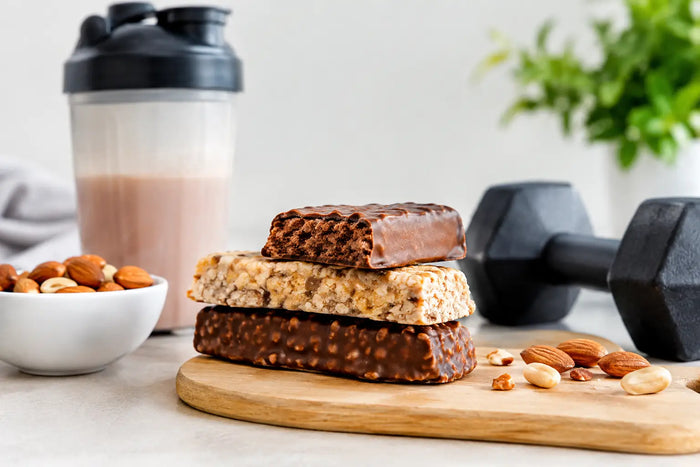
Feel Good Bars are made in Greece and combine 18 g of plant pea protein in every 60 g bar, sweetened with royal date paste. They are vegan, gluten free and have no added sugar. A snack with a specific job, for when the day asks for more than something random.
Taste has value, because it is what brings you back to your choice. So does variety. When there are different flavours, the snack does not turn into a chore or one more repeat in your routine. It stays simple without becoming monotonous.
You do not need to get everything perfect
Plant protein is not a test of dietary discipline. You do not need to change every meal, count everything or chase the perfect label every time. It is enough to have a few options you trust when time is not on your side.
Keep a snack in your bag, at your desk or in the car that you know the contents of and that you actually like. Sometimes the smartest food decision is not the most impressive one. It is the one already waiting for you when you need it.