Protein Bar or a Meal? How to Choose
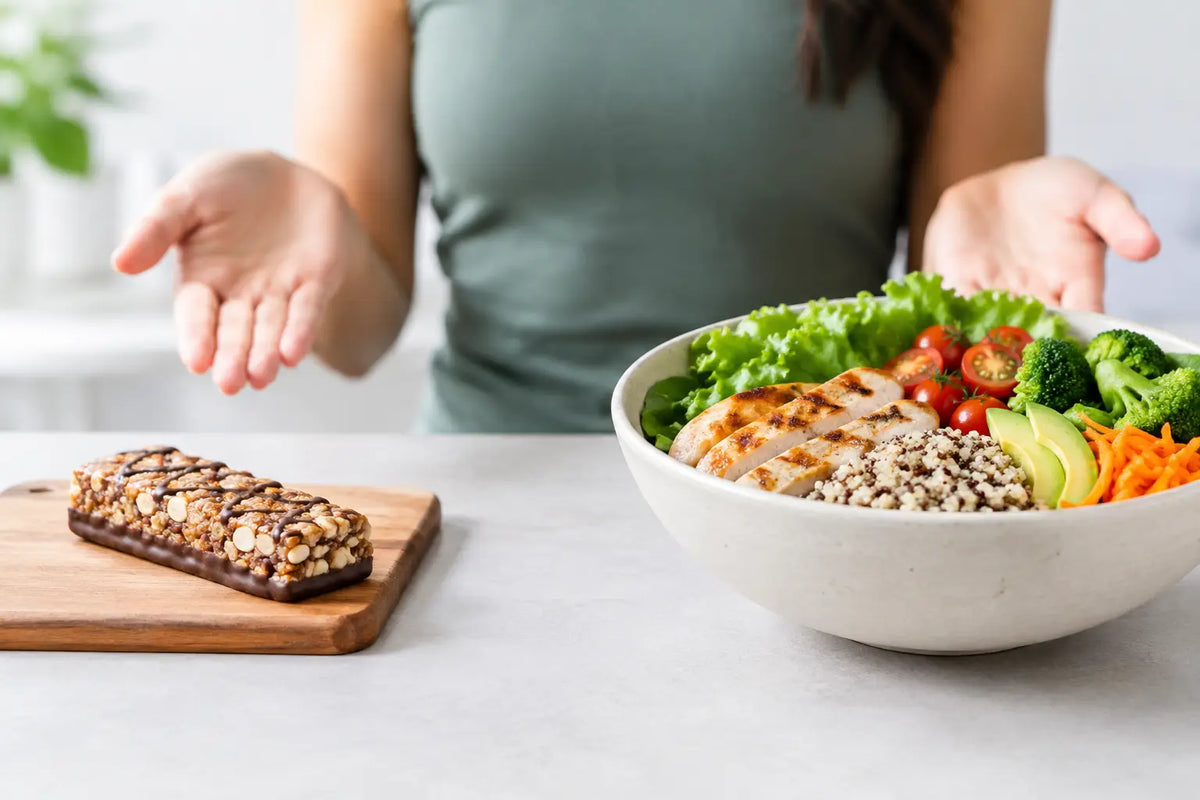
A protein bar is a snack, not a meal. It helps when you have no time to eat or need to get to your next meal. When you have time, a proper meal is the better choice.
You have 12 minutes until your next meeting, training just finished and your stomach is complaining. The question "protein bar or a meal" is not theoretical. It is daily life for anyone who moves fast and does not want to end up eating whatever is closest.
The short answer? A protein bar does not need to compete with a proper, balanced meal. It has a different job: to cover you when there is no time, no access and no practical way to sit down with a plate, cutlery and a kitchen. When the choice is a clean bar or staying hungry until late, the right bar can make a real difference.
Protein bar or a meal: they are not the same thing
A full meal has range. It can give you protein, complex carbs, vegetables, good fats, fiber and a wider variety of micronutrients. A plate of legumes with rice and salad, or a meal with eggs, wholegrain bread and vegetables, is not something a snack replaces every day.
A bar, on the other hand, is built for something more specific: to be ready, portable and predictable. To go in your bag, your desk drawer or your car and support you when the day runs off schedule. Not to pretend it is a meal, but to keep you from reaching the next meal exhausted and far too hungry.
This is the point that often gets lost. You do not have to pick a side. You have to pick the right tool for the moment.
When a bar is the smarter option
If you have a proper meal coming in an hour or two, a protein bar works well as a steady snack in between. Especially when the alternative is a pastry, a bread ring or hours with nothing but coffee. Protein helps you feel fuller, which makes the choice more useful than a snack that runs mostly on sugar.
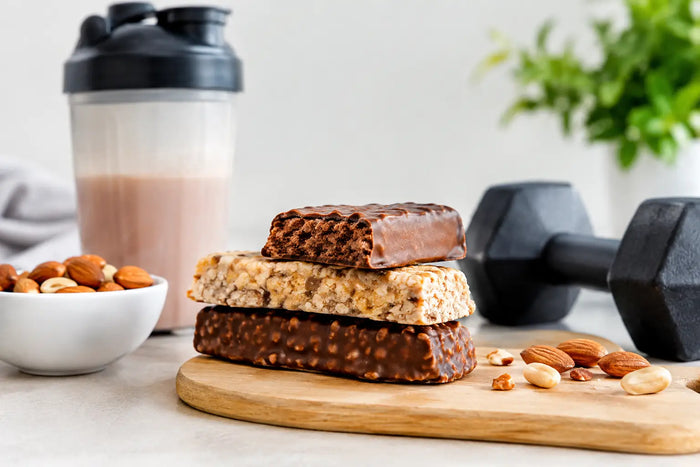
After training, practicality matters even more. You might be on the metro, heading straight to work or with things to do before you get home. You do not need to wait hours to eat something with protein. A bar with 18g of plant protein is a simple answer until your next full meal.
Then there are travel days, classes, back to back appointments and deadlines. What wins there is not the perfect choice on paper. It is the choice you actually have with you and actually eat. Energy that lasts, without building a whole operation around your snack.
When you need a real meal
If the bar is the only thing you have eaten since morning and your next meal is hours away, you probably need something more complete. Your body is not only asking for protein. It also needs enough energy, fluids, variety and the nutrients that come naturally from a balanced diet.
The same goes for long or high intensity training, physically demanding work, or any period when your energy needs are higher. The bar can be the bridge, not the destination. A proper meal stays the base.
The right approach is simple: use the bar to protect your day from the bad options, not to make meals disappear from your routine.
What to look for in a protein bar
Not all bars are the same. Some are closer to a sweet in fitness packaging, with a long ingredient list, plenty of added sugar and a flavor that tries to cover what is inside. If you want steady energy and day to day consistency, the label is worth reading.
First, look at the protein. An amount like 18g per bar is meaningful for a snack, especially if you are trying to cover your needs better through the day or support recovery after training.
Then check where the sweetness comes from. No added sugar does not mean the product is bland. It means the taste can rest on simpler, recognizable ingredients, like the royal date. Things you can pronounce. No tricks.
Finally, think about whether the bar fits the way you eat. For someone on a plant based diet, avoiding gluten or simply cutting back on heavily processed snacks, a vegan and gluten free option takes unnecessary friction out of the decision.
The difference is consistency
Good nutrition is not judged only by what you eat at your ideal Sunday breakfast. It is judged by what you pick on a Tuesday at 17:30, when you have three notifications on your phone, you have not eaten properly and the kiosk is the only thing in front of you.
That is where a good protein bar works like a plan B that does not feel like a compromise. No fridge, no prep, no second thoughts. Open it, eat it, carry on. That is not a small thing. Consistency is built from easy choices that repeat.
Feel Good makes its bars with exactly that in mind: 30% plant protein, 18g protein per bar, no added sugar, natural sweetness from royal dates, vegan and gluten free. Crafted in Greece, with real ingredients and six flavors so your everyday choice does not feel like a chore.
Do not wait until you are too hungry
The biggest mistake is not eating a bar instead of a meal once. It is letting hunger get so strong that you stop choosing by what you need and start choosing by what is closest. That is usually when the fast sugars, the overeating and the familiar crash a little later show up.
Keep a bar in your bag, one at the office and one wherever unprepared hunger usually catches you. This is not overkill. It is the small bit of organisation that protects your day. If you know you will be out for hours, pair it with a piece of fruit or a few nuts for something more filling in between.
The answer to "protein bar or a meal" is more human than it sounds: eat a meal when you can have a meal. And when you cannot, pick a bar that actually supports you, so your next choice stays yours.