Are Dates Really a Natural Sweetener?
Yes, dates sweeten food naturally, but they still contain real sugars that count on the nutrition label. Check the ingredient list to see where the sweetness comes from and the sugars per serving to know what you are eating.
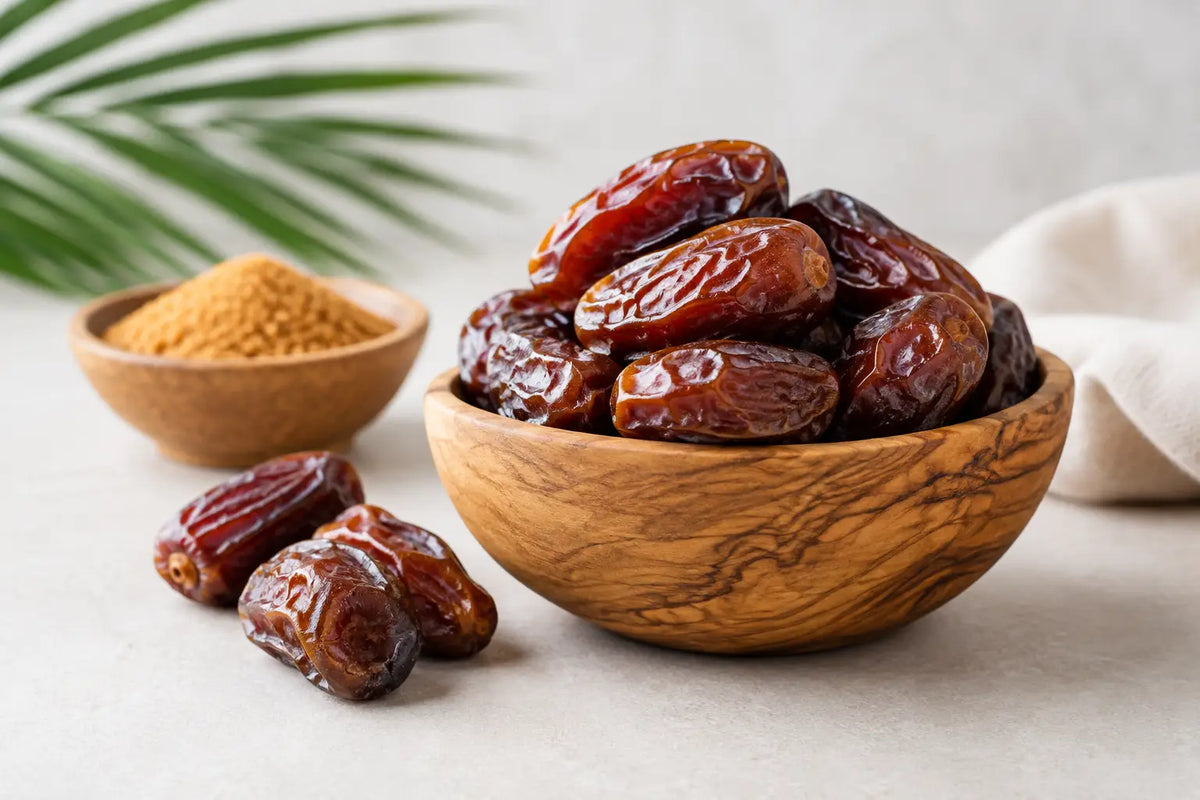
The question "are dates a natural sweetener?" comes up often when you want a snack with a sweet taste and clean ingredients. The short answer is yes, with one important point: a date is a naturally sweet fruit, not a magic exception to sugar. It contains natural sugars, so it is worth looking at it clearly, without diet myths.
In a good recipe, date paste is not there to hide a long ingredient list. It is there to add sweetness, body and texture with an ingredient you can pronounce. That is the goal: real ingredients, a clear label, no tricks.
What does it mean that dates are a natural sweetener?
The date is the fruit of the date palm, and its sweet taste comes from the natural sugars it contains. Blended into a paste, it can be used in bars, cookies, smoothies or home recipes instead of more processed sweeteners.
So in everyday language, dates work as a natural sweetener. From a nutrition point of view, though, they still add sugars to the product. The word "natural" describes where the ingredient comes from and how processed it is, not an absence of calories or sugars.
This distinction is useful when you look at bars and snacks. A label that lists date paste tells you where the sweetness comes from. It does not mean you can skip the nutrition table.
Fruit, paste or syrup?
The form of the date makes a difference. A whole date keeps the natural structure of the fruit. Date paste is usually made by blending the fruit and is used to bind ingredients and give an even taste. Date syrup is more liquid and more concentrated in the way it is used in a recipe.
None of these forms is "good" or "bad" on its own. What matters is the overall recipe: how much is used, what else the product contains and whether the label says it clearly. Simplicity is not a trend. It is a way to know what you eat.
Natural sugars are still sugars
This is where most of the confusion happens. The natural sugars in dates are real sugars and they are listed in the nutrition table. They do not disappear because they come from fruit.
That is why the correct wording for a product sweetened with dates is "no added sugar", as long as no sugar, syrups or other sweeteners have been added for taste. This wording does not deny the natural sugars from ingredients such as dates. It explains them honestly.
For you as a shopper, this means something simple: read both parts. First check the ingredients to see the source of the sweetness. Then check the sugars per serving, so you know what the snack you chose includes.
Transparency is worth more than an impressive word on the front of the pack. If you know the sweetness comes from royal date paste and you can see the sugars per bar, you can choose without guessing.
Why does date paste suit a bar?
A bar has a hard job. It has to fit in your bag, have a pleasant texture, not fall apart at the first bite and not rely on an endless list of unknown additives. Date paste helps with exactly that.
It adds sweetness, holds the dry ingredients together and helps give a soft, chewy texture. It also goes well with cocoa, nuts, coffee, vanilla and fruit. It does not need to cover the taste. It can be the base that brings everything together.
There is a trade off, though. Because dates are naturally sweet, a recipe with more date paste will usually have more sugars than one with less. This is not about fear. It is about proportion and an informed choice.
How to read a bar made with dates
In front of the shelf or before you place an order, you do not need a degree in nutrition. You need a few clear reference points.
Start with the ingredient list. If you see date paste, you know the sweetness comes from the fruit. Then look at protein, fats and fibre, depending on what you want from your snack. Finally, check the serving size. The numbers only make sense when you connect them to the amount you will actually eat.
Do not judge a bar by one claim alone. Vegan, gluten free or no added sugar are useful details, but on their own they do not tell the whole story. The overall recipe, the taste and how easily it fits into your day matter just as much.
If you prefer plant protein, look for an option that names it clearly and in a meaningful amount. If you want less complexity, choose a product with ingredients you recognise. Things you can pronounce.
Dates in Feel Good Bars
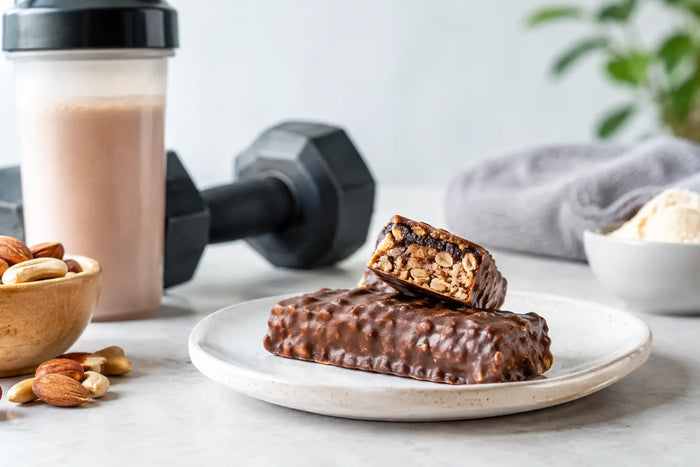
In Feel Good Bars, the sweetness comes from royal date paste. Each 60 g vegan bar combines this natural taste with 18 g of plant protein from peas and contains no gluten. The six flavours have between 10 and 18.4 g of natural sugars per bar, which is why the correct and clear description is no added sugar.
You do not have to choose between taste and an honest label. A well designed bar can be sweet, contain natural sugars from dates and show you exactly what it contains. That is the standard worth asking for from every everyday snack.
So, are dates the right choice?
It depends on what you want from the product. If you are looking for sweetness from a recognisable plant ingredient, date paste is a practical choice. If you need to keep track of your total sugar intake, the nutrition table is where you will find the answer, whatever the source of the sweetness.
The most useful test is not to put dates into a simple "yes" or "no". It is to choose based on the actual recipe, the serving and the way you live. Keep the label clear, the taste real and the snack simple enough to trust every day.