Everyday Protein Snacks That Are Worth It
Everyday protein snacks have enough protein, few ingredients and a taste you do not get bored of, such as yoghurt, nuts and protein bars. Consistency matters more than the perfect choice.
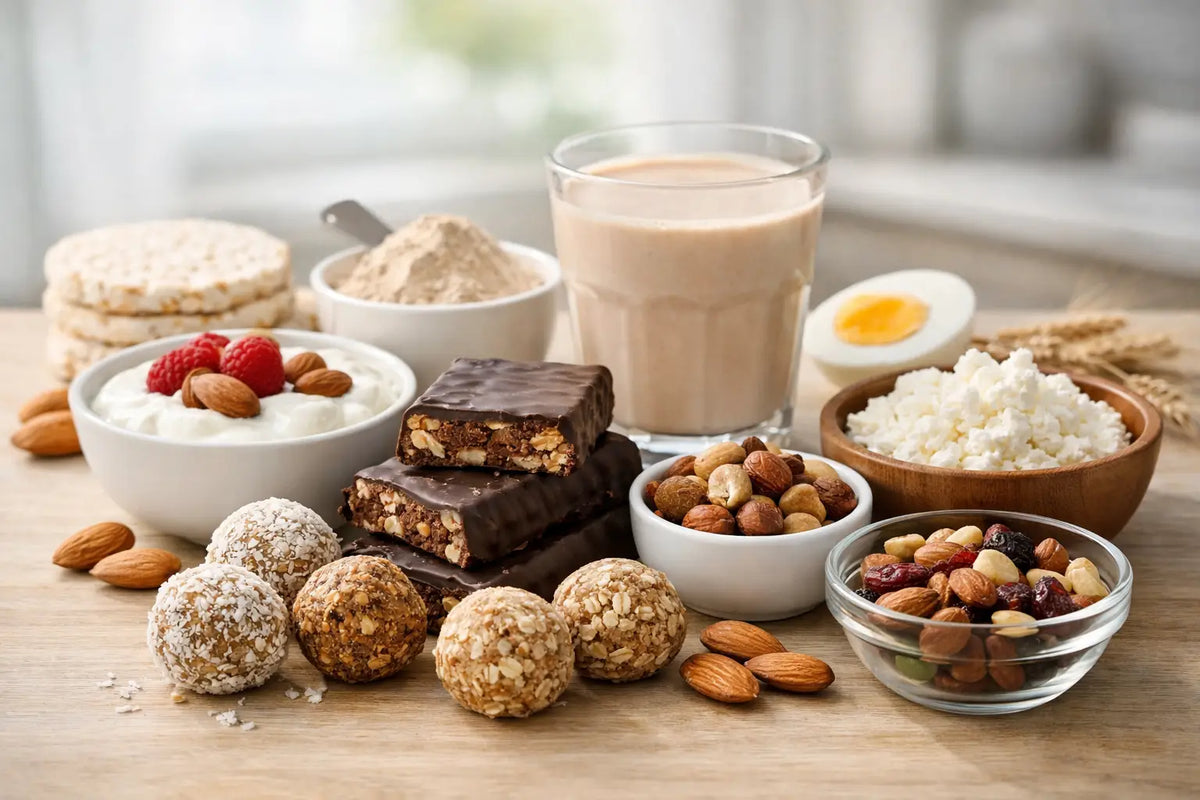
The 11:30 snack is not a small detail. It is often the point where focus drops, the first sweet thing in the office looks tempting and lunch ends up much bigger than you need. Everyday protein snacks exist for exactly those moments: to give you a practical option that keeps you going, without turning every break into a nutrition puzzle.
The point, though, is not simply that the pack says protein. A snack that earns a place in your bag, your office drawer or your car has to combine protein, a clean recipe and a taste you actually want again. Real ingredients. No tricks.
Why protein changes the everyday snack
A croissant, a biscuit or a coffee with something sweet can give you a quick sense of energy. Often, though, that feeling does not last. When a snack is built mainly on sugar and processed carbohydrates, hunger comes back fast and brings the familiar need for one more thing.
Protein makes the in between meal more useful. It supports fullness and helps the snack be more than a temporary fix until the next random nibble. That matters most when you are running from meeting to meeting, when you are at university, when you are leaving the gym or when your schedule leaves no room for perfectly prepared meals.
It does not mean a protein bar replaces every meal. You do not need to ask it to do that. It is the smart step between main meals, the answer for the hours when you need something quick but do not want to settle for a snack with no nutritional value.
Everyday protein snacks without the excess
Everyday use needs balance. If a product is too heavy, too sweet or full of ingredients you do not recognise, it will not become a steady habit. The best choice is not always the one with the most impressive number on the front of the pack. It is the one that fits your real life.
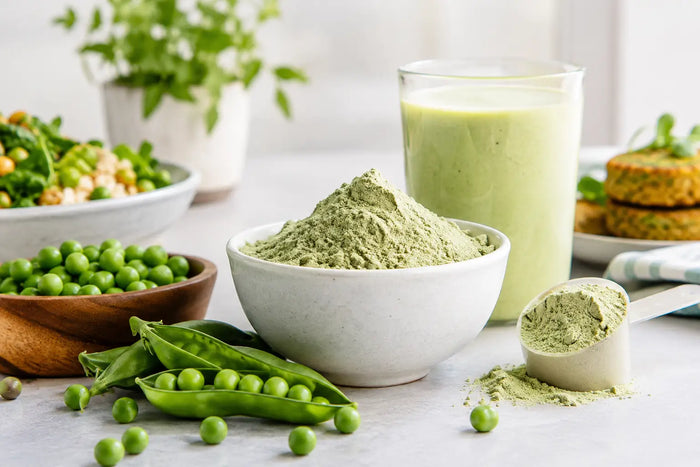
Look at the protein source first. Plant protein is a very good option for anyone on a vegan diet, anyone avoiding animal ingredients or anyone who simply wants more plant based choices through the week. What matters is that it sits in a recipe that makes sense, rather than coming with unnecessary extras.
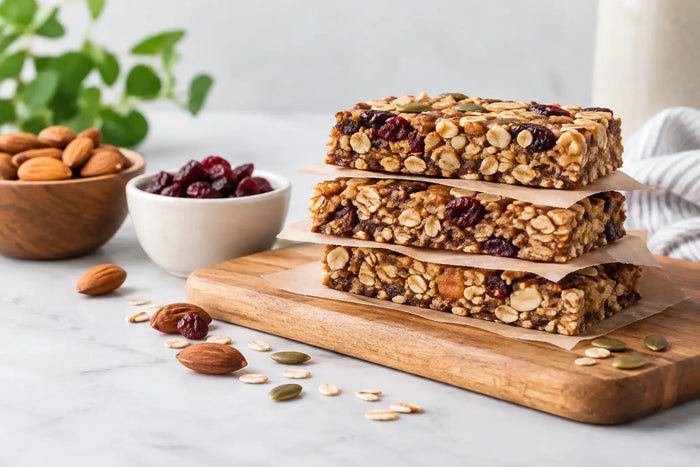
Then look at the sweetness. No added sugar does not mean the snack has to taste of nothing. Dates, for example, can bring natural sweetness and a fuller taste, without turning a bar into a dessert dressed up as a fitness product.
Finally, think about convenience. An everyday snack has to be eaten wherever you are, with no fridge, plate or preparation. If it needs special conditions, it is probably not the answer for the day ahead of you.
What to check on the label
The label does not have to read like a chemistry lesson. The cleaner and clearer it is, the easier it is to know what you are choosing. Before you put a protein snack in your basket, four practical points are worth checking:
- The amount of protein per piece, so the snack gives real nutritional support and not just a marketing claim.
- The ingredient list. Prefer things you can pronounce and recognise.
- Whether there is added sugar, and where the sweet taste comes from.
- The dietary needs it covers, such as a vegan or gluten free recipe, if those matter to you.
The moments when a protein snack saves the day
The morning, after a coffee that got you out of the house in a hurry, is probably the most obvious one. If breakfast was thin, or if you know you will eat late, a protein snack can bridge the gap to the next meal. You do not have to wait until you are very hungry to open it.
At the office the value is different. There you are not only chasing fullness, you are chasing consistency. You have a deadline, a presentation or hours in front of a screen and you want to avoid the rushed choice from the kiosk. Keeping a box of snacks nearby removes the friction. The better option is already there.
After training the context changes again. If you cannot eat a proper meal straight away, a protein snack is a practical solution until you get home. You do not need to carry a shaker, measure powders or make your routine more complicated than it is.
And then there are the days that go off plan: delayed journeys, travel, studying in the library, commitments in the afternoon. That is where you see whether a product was designed for everyday life or only for a photo at the gym.
Taste is not a compromise
Many people associate protein bars with a dry texture, a strongly artificial aftertaste or too much sweetness. That experience makes buying again difficult, however good the nutrition panel looks.
Taste is part of how a snack works. If you really like it, you will carry it with you and choose it regularly. If you eat it only because you feel you should, you will go back quickly to the easy, less balanced options.
That is why different flavours matter. Variety is not a luxury when you want one product to fit several days of the week. You want one thing after training, another during an afternoon break and another when you want something sweet without ending up with sugar.
A practical choice for a steady rhythm
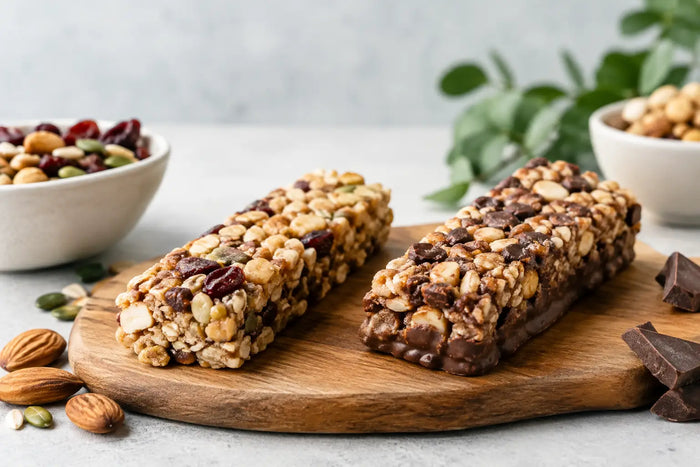
Feel Good bars combine 18g of plant protein, a recipe with no added sugar, a gluten free and vegan character, and royal dates for natural sweetness. They are crafted in Greece, with ingredients that make sense and six flavours so your daily choice does not get boring.
What makes them practical is not only what is in them. It is that you can have them available when you need them. A box at home or at the office means fewer last minute decisions. And regular delivery by subscription suits anyone who wants consistency, plus the flexibility to skip or stop whenever they want.
Good nutrition is not built from one perfect day. It is built from small choices that repeat without effort. Put snacks that support you into your routine, keep them where you need them, and let your energy follow a steadier rhythm.