How to Choose Snacks With No Added Sugar
For a snack with no added sugar, check the ingredient list, not only the front of the pack: it should have no sugar or syrups. Natural sugars from fruit or dates will still show in the nutrition table.
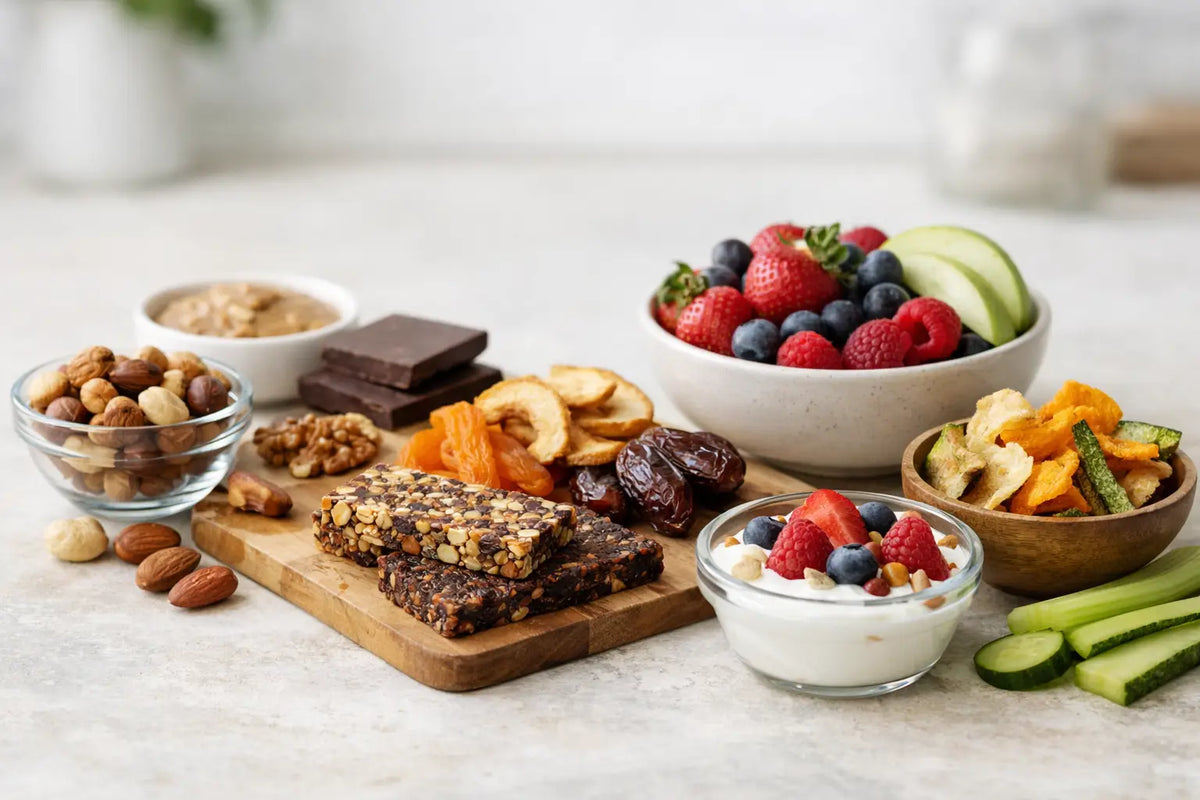
The shelf is full of healthy options, but when it is time to decide, most snacks leave you with the same question. How do you actually choose a snack with no added sugar that is worth it? Not just something with a nice word on the front of the pack, but a snack that gives you steady energy, has clean ingredients and does not drop you an hour later.
The truth is simple. No added sugar does not automatically mean a good choice. It can mean a cleaner recipe. But it can also hide sweeteners, heavily processed ingredients or a product that never really fills you up. If you want to shop smarter, you need a few good filters. No over analysis. No tricks.
How to choose snacks with no added sugar in practice
The first thing worth looking at is not the front of the pack. It is the logic of the product. A good snack is not built only on what is missing, but on what it gives you. If the sugar was simply removed and replaced with a mix of ingredients you do not recognise, the result is not necessarily better.
For a modern pace of life, what counts is how it performs day to day. You want something that is easy to eat at the office, after training, on the move or between two meetings. You want taste, fullness and staying power. So the right choice starts with three basic questions. What makes the product sweet, how long does it hold you and how clean is its label.
Understand what no added sugar really means
The term sounds clear, but it needs to be read properly. It usually means no white sugar, glucose syrup or other standard sweeteners were added during production. It does not mean the snack has no natural sugars from raw materials such as fruit or dates.
There is not necessarily a problem there. On the contrary, when the sweetness comes from real ingredients and not from an artificial mix, you are looking at a cleaner and often more balanced option. The point is not to fear every form of sweet taste. The point is to know where it comes from.
Do not stop at the claim, read the ingredient list
If there is one rule that really makes a difference, this is it. The ingredient list tells the truth. If it is long, hard to follow and full of terms that sound like a lab, the product has probably drifted away from the idea of a simple, functional snack.
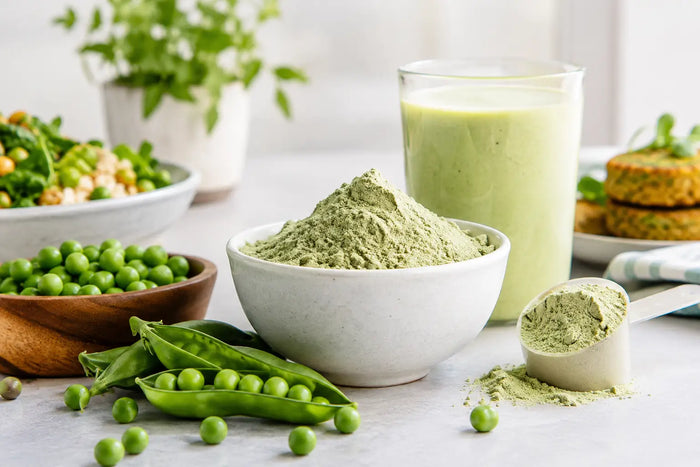
Ideally you want things you can pronounce. Nuts, dates, cocoa, plant protein, natural flavours where they are needed. The cleaner the recipe, the more likely you have a snack in front of you that supports your day without anything you do not need.
That does not mean every longer list is bad. Some functional products need extra ingredients for texture, stability or nutritional support. But there is a difference between useful and loaded. You see that difference on the label.
Protein is often the reason a snack holds you
Many people look for a snack with no added sugar and then feel let down because they are hungry again very quickly. Usually the problem is not only the sugar. It is that the protein, or a more balanced nutritional base, is missing.
If the snack is meant as a meal in between and not just as something small to pass the time, protein plays a central role. It helps with fullness, with steadier energy and with fitting the snack properly into your day. Especially if you train, travel a lot or work at a fast pace, a product with a meaningful amount of protein is usually a more functional choice than a simple bar with a few carbs.
There is the taste question too. Some high protein snacks are correct on macros but lose on the most basic thing. They are not pleasant to eat. And if you do not like the taste, you will not keep choosing it. The best option is the one that brings both together. Performance and enjoyment.
When vegan, gluten free and sugar free actually mean something
These terms on their own do not make a snack superior. They just point in a certain direction. Vegan has value if you want plant protein and a cleaner product philosophy. Gluten free helps if you need it or if you prefer more carefully built recipes. Sugar free, or no added sugar, becomes genuinely useful when it comes with good ingredients and not with heavy processing.
So you do not need to chase labels for the sake of labels. Look at whether they serve a real goal. Having a snack that is practical, tasty and clean, and that fits the way you live.
How to tell whether a snack will give you steady energy
The big question is not only whether sugar was added. It is whether it creates that familiar up and down through the day. The quick lift and the equally quick crash that sends you back to hunger, tiredness or the need for coffee and something sweet.
To avoid it, you want balance. A snack with protein, a sensible amount of fat from quality sources and natural sweetness has a better chance of working in practice. We are not talking about perfection. We are talking about a product that supports you instead of taking you from a peak to a drop.
If you try a snack and feel that it holds you for a while, does not leave you heavy and does not open your appetite further, that is a good sign. Your body usually tells the truth faster than any claim on the pack.
Watch out for a healthy image with no substance behind it
There are products that look premium, talk about wellness and use the right words, but nutritionally they are just average. Some have very little protein. Some rely almost entirely on fruit pastes. Some load you with sweeteners to achieve low sugar on paper but not real satisfaction in practice.
A bit of realism helps here. There is no perfect snack for everyone. One person needs something before the gym, another wants a clean option in the middle of the office day, and another is looking for a fix for an afternoon craving. The right product is the one that fits your purpose, not the one that sounds most impressive.
What to check before you buy the same product again
The first try is a start. The repeat purchase is the real test. If you want to find a snack that stays in your routine, think practically. Is it easy to have with you all the time? Do you genuinely like it, or do you just put up with it because it looks healthy? Does it hold you until your next meal? Does it have a recipe you trust?
If the answer is yes, you have found something that works. And that matters more than constantly trying new options with no consistency. Good nutrition in practice is not built on impressive exceptions. It is built on steady, sensible choices that repeat easily.
That is why it is worth going for products that combine a clean label, real protein, good taste and ease of daily use. When those come together properly, the snack stops being a quick fix and becomes part of your routine. That is where the real value is.
Feel Good works exactly on that logic. Vegan, no added sugar, no gluten, high plant protein and real ingredients that make the choice cleaner and easier through the day.
The best choice is the one you can keep
If you are wondering how to choose a snack with no added sugar, the answer is not in one word on the front of the pack. It is in the whole thing. Clean ingredients. Protein that holds you. Taste you want again. A recipe that makes sense for your body and for your schedule.
You do not need to chase the most perfect option on the shelf. You need to find the one that gives you energy that lasts, with nothing you do not need and no crash. When a snack is simple, functional and genuinely enjoyable, the right choice does not feel like effort. It feels like something that finally suits you.