Plant Protein Guide for Beginners, No Tricks
Plant protein comes from pulses, soy, nuts, seeds and grains. To start, add one source to every meal and combine pulses with grains during the day.
Protein does not have to come only from chicken, eggs or a drink that reminds you of a lab. This plant protein guide for beginners is for the days when you run from a meeting to training, from school to work, and you want something that keeps you going without adding weight to your schedule. Real food, clean choices, less thinking.
What is plant protein?
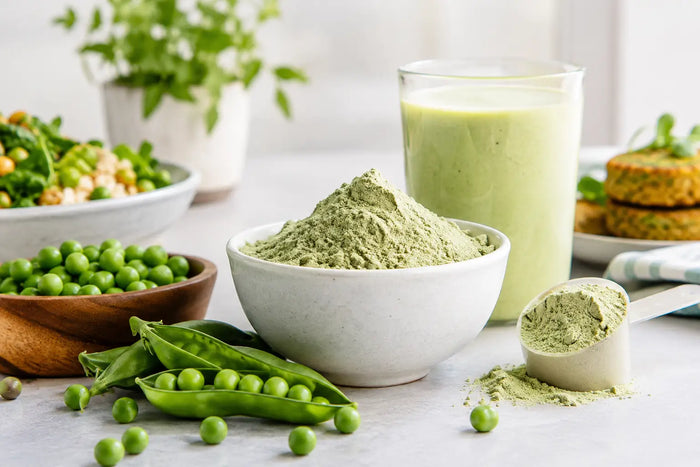
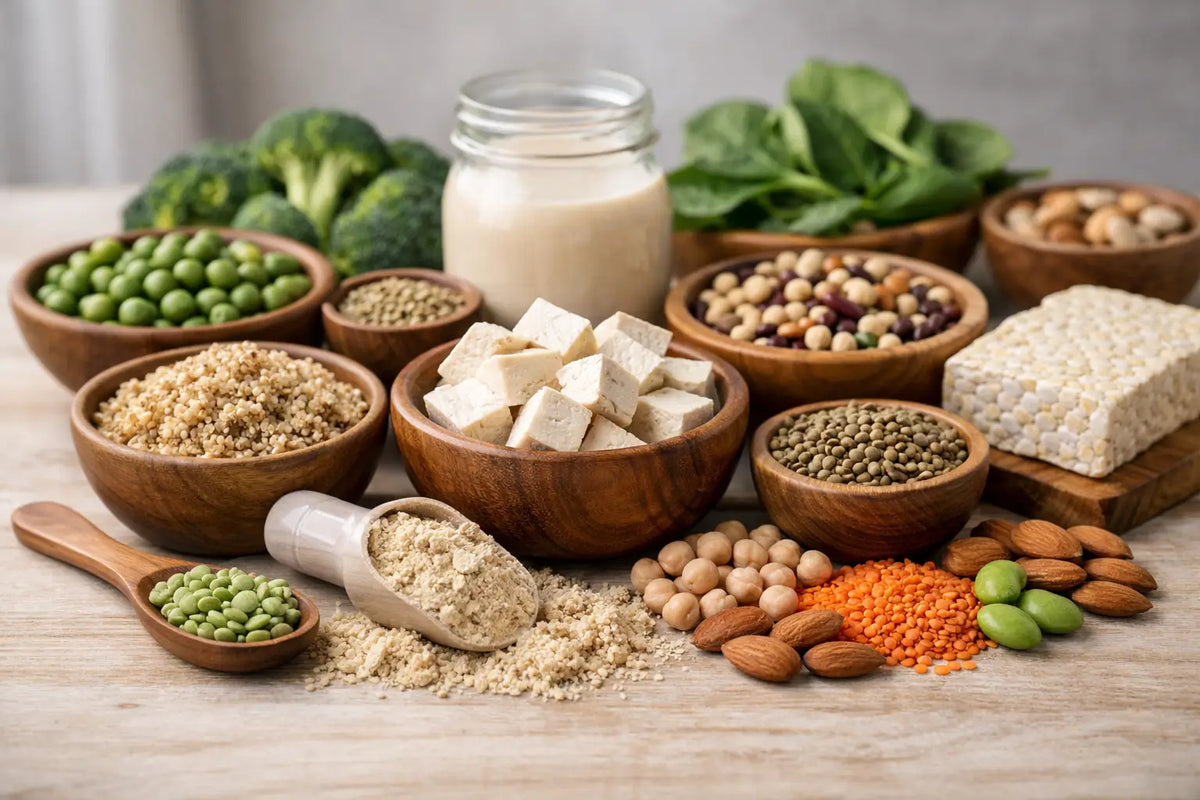
Plant protein is the protein you get from plant based foods: legumes, soy, tofu, tempeh, quinoa, nuts, seeds and products based on pea, rice or soy protein.
Its role is the same as any protein in your diet. It contributes to maintaining and building muscle mass, supports satiety and helps you build meals that do not leave you hunting for the next snack half an hour later. It is not a second choice because it is vegan. It is simply a different, practical source of protein.
For many people, the shift is not all or nothing. You may not want to go vegan. You may just want more plant based options in your week, less dependence on ready meals and a snack that fits the way you live.
Why add more plant protein to your day
The main benefit is how easy it gets when you make smart choices. A plate of lentils, a bowl of soy yogurt with seeds, or a bar with a meaningful amount of protein can help you cover your needs without complicated recipes.
Plant sources often bring other useful things with them, like fibre, good fats and micronutrients. That does not mean every vegan product is automatically a good choice. A biscuit can say vegan and still be a biscuit full of sugar. Read the label, not just the front of the pack.
The right choice can give you steadier energy through the day, especially when combined with good quality carbs and good fats. The goal is not to chase a perfect nutritional plan. It is to avoid reaching 4pm with an empty stomach, a foggy head and whatever happens to be in front of you.
The best sources to start with
Legumes for proper meals
Lentils, chickpeas, beans and black eyed peas are cheap, filling bases. They go into salads, soups, bowls, wraps or a quick pasta with a red lentil sauce. You do not have to eat a huge plate every day. Even two or three meals with legumes a week is a very good start.
Tofu, tempeh and soy for flexibility
Tofu takes on whatever flavour you give it and works in savoury dishes as well as simpler ones. Tempeh has a fuller texture and a stronger taste. Edamame is an easy option for a salad or a side. If you have not tried them before, start with a recipe you already like and change only the protein in it.
Grains, seeds and nuts as support
Quinoa, oats, buckwheat, pumpkin seeds, tahini and nut butters round out meals easily. On their own they usually will not cover a large protein serving, but they raise the overall value of the plate and add flavour.
Protein bars for the hours without a kitchen
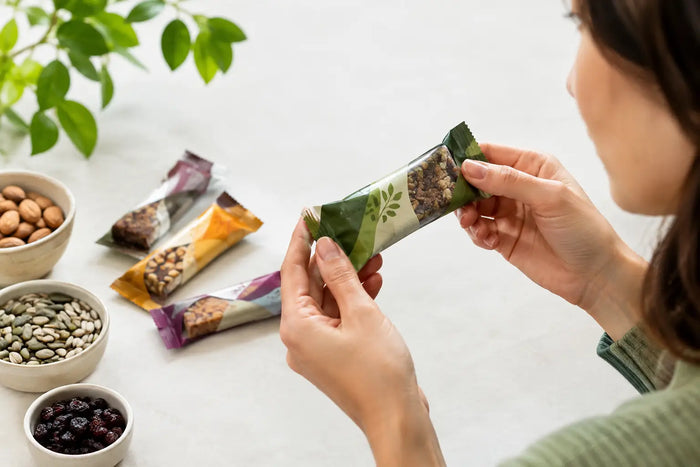
There are days when the container never got packed, lunch ran late and training is in an hour. That is where a functional snack has a real reason to exist. Look for plant protein in an amount that makes a difference, with no added sugar and with ingredients you can pronounce.
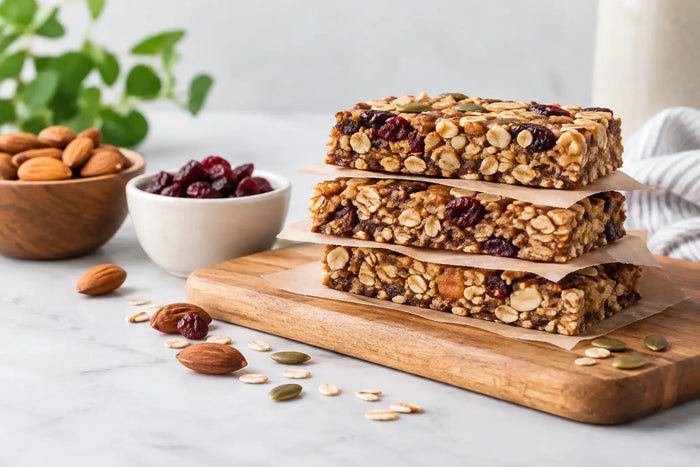
Feel Good bars give you 18g of plant protein, they are vegan and gluten free, with royal dates for natural sweetness. They are a practical option for a bag, an office or a car, for when you need energy that lasts rather than a short sugar rush and a crash.
Plant protein guide for beginners: how to combine it
You do not need to do maths at every meal. Variety across the day is more useful than perfectionism on a single plate. Combine legumes with rice or wholemeal bread, add tahini to a chickpea bowl, or put seeds in your breakfast. That way you build fuller, more filling meals naturally.
An easy pattern is to put one main plant protein source in every main meal. For example, oats with soy yogurt at breakfast, a lentil salad at lunch and tofu with vegetables and rice for dinner. If a demanding day gets in between, a protein snack can cover the gap.
How much protein you need depends on body weight, age, activity level and your goal. Someone with a desk job has different needs from someone who trains regularly. If you have a specific athletic goal, a pregnancy, a history of kidney disease or another medical need, a dietitian can give you personal guidance.
The 4 mistakes beginners often make
- Expecting one single food to do all the work. Variety is simpler and tastier than eating the same product all the time.
- Eating too little overall. Protein works best inside an adequate meal. Do not permanently replace food with a snack.
- Confusing vegan with nutritious. Look at the protein, the sugar, the fibre and the ingredient list.
- Changing everything at once. If you do not eat legumes often, increase them gradually and drink enough water. Your body needs a little time to adjust to more fibre.
A simple plan for your first week
Start without going overboard. Pick two breakfasts with oats, soy yogurt and seeds. Add one meal with lentils or chickpeas, one meal with tofu or tempeh, and keep a clean protein snack in your bag for the hours when you do not control your schedule.
At the end of the week, notice something more useful than the scale: when you get hungry, when you have energy and which choices were genuinely easy to repeat. The best diet is not the one that looks perfect in a plan. It is the one you can keep on Monday, on your busiest day, with no tricks.