Plant or Dairy Protein? How to Choose
Both provide protein. Dairy protein has a complete amino acid profile on its own, while plant protein suits vegans and people who avoid dairy. Choose based on your diet and the label.
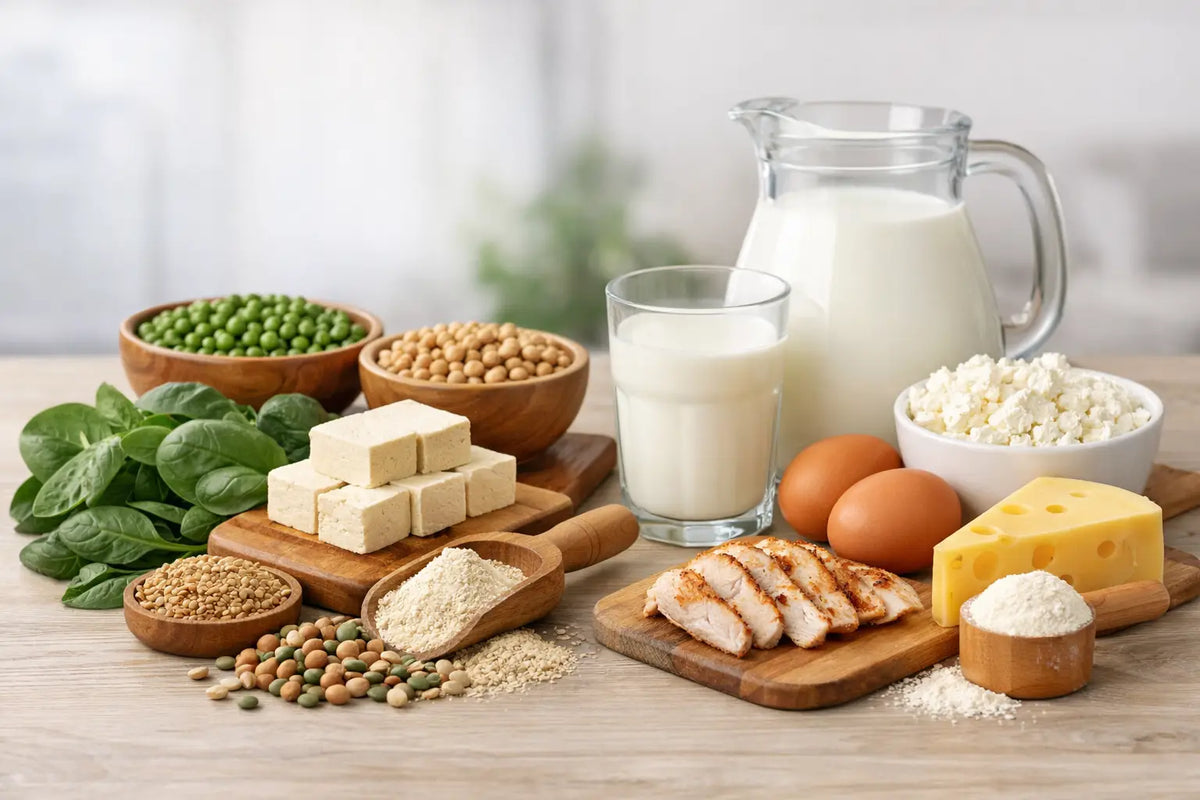
If you have ever stood in front of a shelf of high protein bars, shakes or yogurts, the question is familiar: plant or dairy protein? It is not a small detail. It affects how you feel after the snack, how easily you fit it into your day and in the end whether you eat it consistently or leave it in the cupboard.
The short answer is that there is no single right choice for everyone. There is, however, a right choice for your pace, your stomach and your way of living. And that is almost always where the real value of a protein is decided, not on paper but in practice.
Plant or dairy protein in practice
Dairy protein, usually whey or casein, has been linked to the fitness world for years. It absorbs quickly, it has a complete amino acid profile and for many people it works well after training. If you tolerate it easily, it is an effective choice.
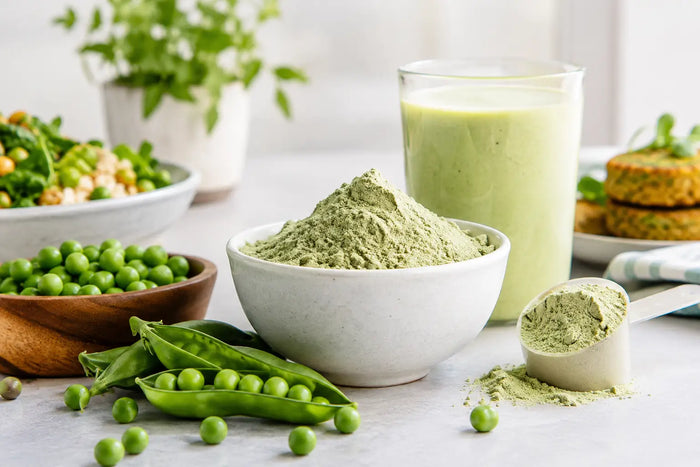
Plant protein, on the other hand, has moved far beyond the old image of a mediocre vegan product. Today, the right blends of pea, rice or other plant sources can perform very well, with a cleaner feel for a lot of people. And for those avoiding animal ingredients or dairy, or simply wanting simpler ingredients, it is often the more practical option.
The key point is that protein is not chosen on grams alone. It is chosen on how it sits in your body, how filling it is, what else it brings with it and how easy it is to eat every day without a second thought.
Digestion, comfort and how it feels day to day
This is usually where things become clear. Many people eat dairy protein with no problem at all. Others feel bloated, heavy or a little uncomfortable, especially when the product has a lot of sweeteners, thickeners or a generally lab like recipe.
Plant protein often feels lighter, especially when it sits in a product made with real ingredients and no excess. That does not mean every plant based product is automatically better. If the formula is poor, the taste will lose you and digestion may not be ideal either. The difference is not only plant or animal origin. It is the quality of the whole recipe.
If you move around a lot during the day, work away from home or need a snack that supports you without weighing you down, how you feel afterwards counts as much as the macros. Energy that lasts, with no crash, means your body is working with what you eat.
Amino acid completeness and absorption
Dairy protein has the advantage of being naturally complete in essential amino acids, particularly leucine, which is linked to muscle protein synthesis. For someone focused strictly on muscle recovery and counting every detail, that matters.
Plant protein is not inferior by definition. It does, however, need good design. When sources with complementary amino acid profiles are combined, the final result can come very close to what daily eating and exercise require. For the average person who wants steady protein intake through the day, that is often more than enough.
Put simply, if you are chasing the absolute biological edge in a very specialised training context, dairy has a clear case. If you want a clean, functional and consistent option for daily support, plant protein can cover the role fully.
Fullness, taste and consistency
The best protein is the one you will eat again and again. Not the one that sounds perfect in theory but tires you out on taste or leaves a heavy aftertaste.
Dairy protein traditionally had the edge on taste, mainly in drinks and creamy products. That is changing. Modern plant recipes have improved a lot and when they are combined with natural sweeteners, good texture and a clean label, the result is far more balanced than anyone expected a few years ago.
Fullness also depends on the whole product. If the protein comes with fibre, real ingredients and a proper structure, it can hold you better through the day than an over processed shake that simply lists a lot of grams on the front of the pack.
This is where a clean protein snack earns its value. Not only because it has protein, but because it stops you looking for something rushed an hour later.
What to check on the label, not only the source
The plant or dairy protein question is worth asking, but on its own it is not enough. A mediocre product stays mediocre, whatever its protein source is.
What is worth checking first is how clean the recipe is. How many ingredients does it have? Are they things you can pronounce? Is there added sugar? Does it have unnecessary fillers or a clear, sensible profile?
Then comes function. How much protein do you actually get per serving? Does it fill you up? Does it fit a day with work, travel and training? Is it gluten free, if that matters to you? Can you carry it with you without a fridge and without preparation?
Last, but no less important, is consistency. If a product tastes good, is practical and creates no friction, it will become part of your routine. And consistency almost always beats theoretical perfection.
Which option suits whom
If you eat dairy with no issues, train hard and want a classic option with very fast absorption, dairy protein remains a strong choice. It is well tested and has clear advantages in specific performance scenarios.
If, however, you want a cleaner everyday snack, you avoid animal ingredients, you do not want added sugar or you are simply after a lighter feel during the day, plant protein has a very strong case. Especially when it sits in a product that does not feel like a supplement but like real food made properly.
For a lot of people, the point is not the absolute comparison. It is whether the product helps them eat better at 11 in the morning, at 4 in the afternoon or after training, without falling back on options full of sugar, a poor recipe and a taste that just about passes.
Why plant protein is gaining ground
The shift towards plant protein is not a trend for the sake of it. It is the result of better informed choices. People today want performance, but they do not want tricks. They want convenience, but not at the cost of quality. They want taste, but not a label full of things nobody needs.
That is why clean, vegan, no added sugar and gluten free options are winning ground. They do not speak only to people following a strictly plant based diet. They speak to anyone who wants a better everyday default. Something that goes in your bag, is easy to eat and supports your day instead of disrupting it.
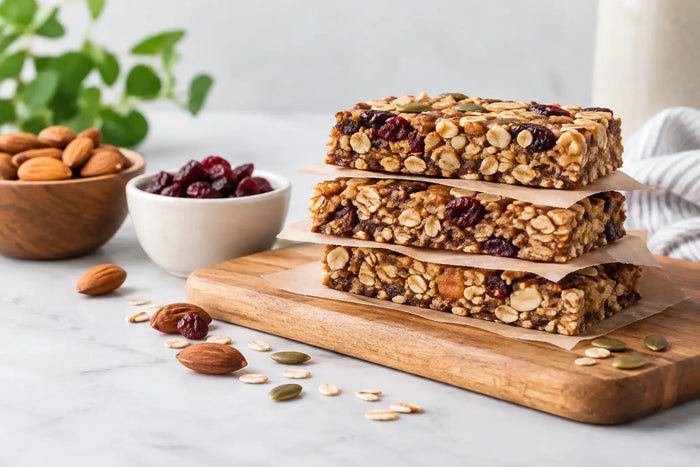
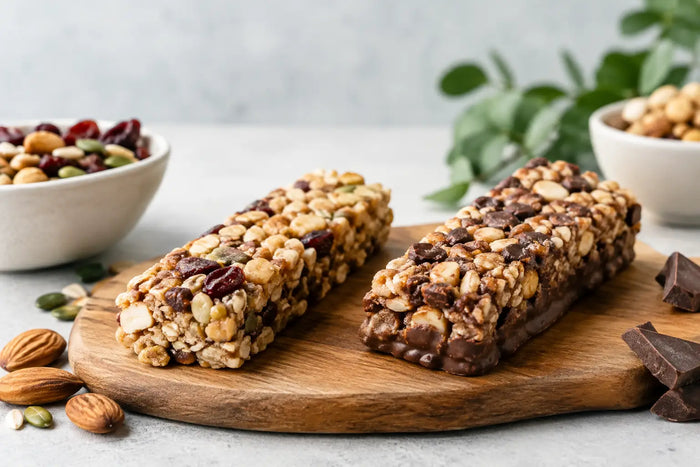
In that context, a premium bar with 18g of protein, real ingredients and no added sugar is not just a snack. It works as a clean, consistent solution. That is the logic behind brands like Feel Good: plant protein built into real life, not only into the post workout window.
The right answer is the one that holds up day to day
If you want the most honest test, it is not marketing and it is not a general list of pros and cons. It is this: which protein helps you eat better, feel good and stay consistent without effort?
For some people that will be dairy. For more and more, it is plant protein, not because it is fashionable, but because it fits better into a modern day that asks for clean ingredients, convenience and real function.
So choose not only on the protein source, but on how you want to feel during the day. When your snack has real ingredients and a clear reason to exist, the good choice becomes much simpler.