Gluten Free Protein Bars That Are Worth It
A protein bar suits people avoiding gluten when it says gluten free and contains no wheat, barley, rye or uncertified oats. If you have coeliac disease, also read the statement about traces.
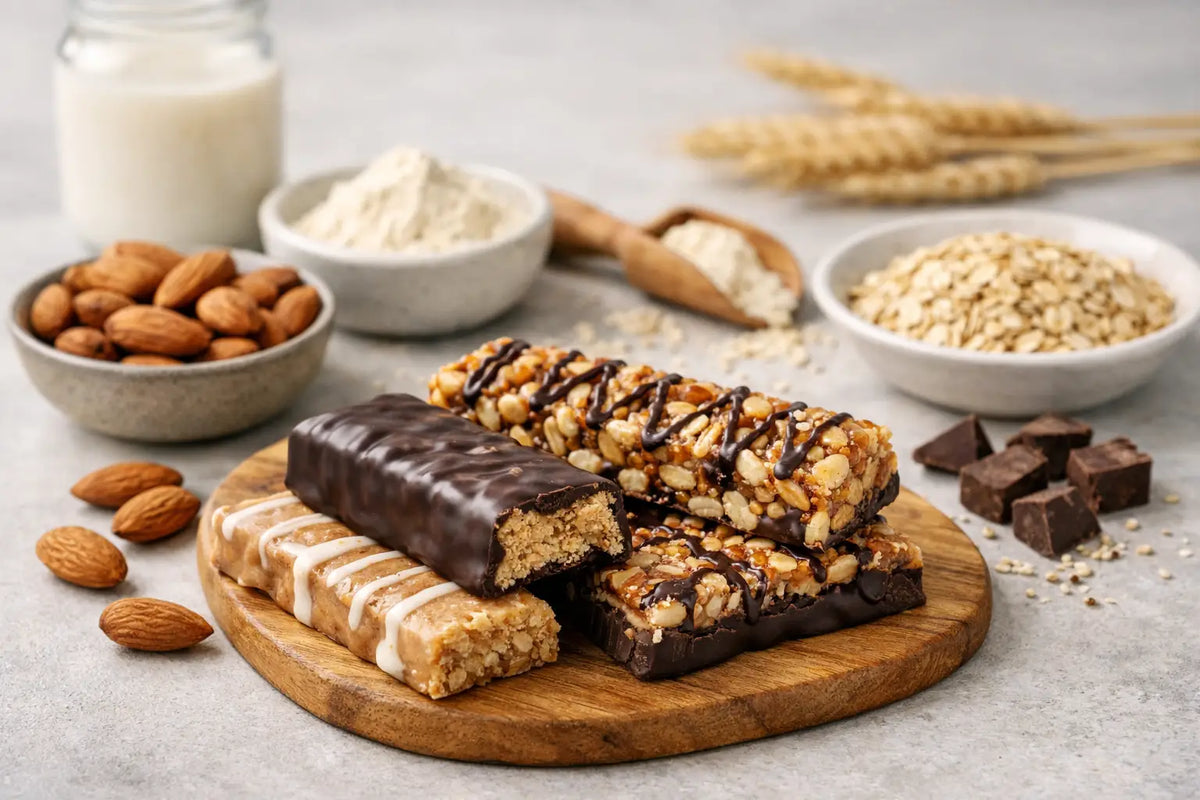
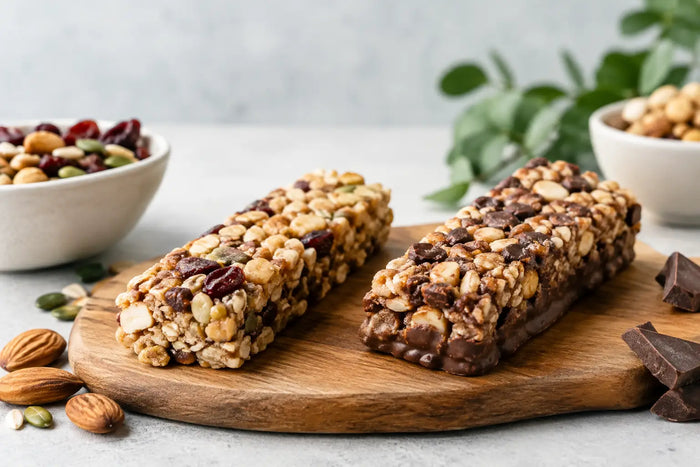
The problem with a lot of bars is not that they lack protein. It is that they are protein dressed up as a dessert. If you are looking for gluten free protein bars, you usually want more than to avoid one ingredient. You want something that holds you through the day, tastes right and does not leave you with that familiar crash an hour later.
That is the real difference. A good bar does not need to confuse you with a label that reads like a lab formula. It needs to do its job cleanly. Give you protein, steady energy and convenience, with no tricks.
What gluten free protein bars really means
The term sounds simple, but in practice leaving out gluten is not enough. For most people who choose gluten free snacks, the ask is broader. They want a product that is easy to eat every day, does not weigh them down and fits a cleaner way of eating.
That means the bar has to hold up on three levels. First, a meaningful amount of protein. Second, a formula that makes sense. Third, real ease of use, in a bag, at the office, after training, in the gap between two commitments.
Being gluten free on its own does not make a bar better. If the product is loaded with unnecessary sweeteners and artificial flavours, or leaves a bad aftertaste, the experience falls apart. And when the experience falls apart, there is no consistency. If you cannot fit a snack into your day reliably, it is not as functional as it claims.
How to spot the good gluten free protein bars
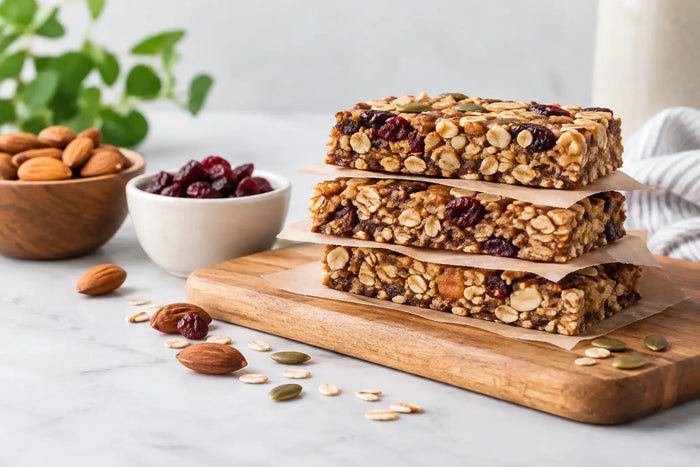
Your first look should go to the ingredient list. Not out of obsession, out of common sense. When you see things you can pronounce and you recognise what you are eating, you are starting well. A clean formula shows the product was designed to be eaten every day, not just to print impressive claims on the front of the pack.
Then comes the protein. There are bars marketed as protein bars whose protein content is so low that they work more like a dessert than a functional snack. If you want real support through the day, you need a protein level that fills you up and helps you keep your rhythm.
Where the sweetness comes from matters just as much. When taste is built on more natural solutions rather than heavily processed ingredients, the result is usually more balanced. It does not have that aggressive sweetness that tires you from the first bite. It tastes more like real food.
Then there is texture. Plenty of people underrate it, but texture is often the reason a bar stays in the cupboard. If it is too dry, rubbery or heavy, it will not become part of your routine no matter how good the nutrition panel looks.
Clean label or marketing? Your day will tell you
The phrase clean ingredients gets used a lot, and it does not always mean the same thing. For some brands it is an aesthetic. For others it is how the product is built. The difference shows in how you feel after eating it.
When a bar is made with real ingredients and no unnecessary extras, the energy tends to be steadier. We are not talking about miracles. We are talking about a snack that helps you carry on with your day instead of dropping you straight afterwards. For someone running from a meeting to a commute, from a class to training, or from one obligation to the next, that is far more useful than an impressive claim on the wrapper.
And yes, there is always an it depends here. If someone wants a bar only now and then, the formula may not matter as much to them. But for a daily snack it changes things. What you eat often has to earn your trust.
Plant protein, no added sugar, no gluten
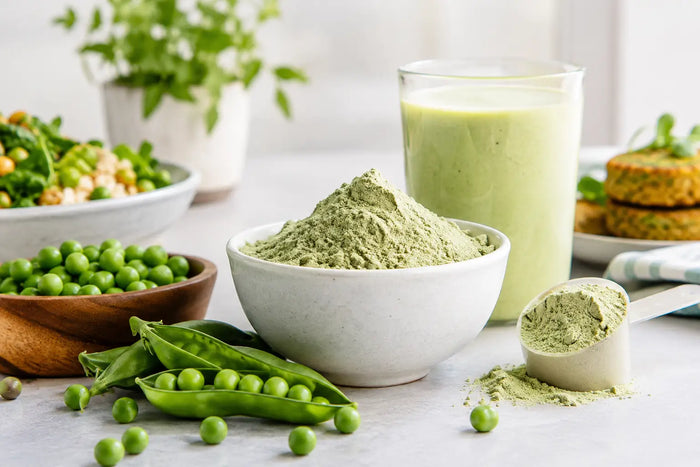
For many people, that combination once meant giving up on taste. It does not have to any more. Good vegan protein bars with no added sugar and no gluten can deliver both performance and enjoyment, as long as they are made properly.
Plant protein has a real advantage for anyone who wants a lighter, cleaner feel through the day. At the same time, when the formula is balanced, it fills you up without sitting heavy. That matters especially for people who are not only after a post workout product, but a snack that works just as well at the office, on the road or before a demanding afternoon.
On the other hand, no added sugar deserves a closer look. Not all sugar free products are the same. Some lean on strong sweeteners that distort the taste or leave an odd aftertaste. The best result comes when the sweetness is thought through and the bar is not trying hard to imitate a dessert. When it knows what it is, a functional snack that tastes good.
When gluten free protein bars help most
The answer is simple. When you are short on time but do not want to eat carelessly. That covers a large part of real life.
A bar like this makes sense in the morning when you rush out and do not want to run on coffee alone. It makes sense between two meetings when lunch keeps moving. It makes sense before or after training, when you need something practical and reliable. And it makes sense in that late afternoon stretch when you want something sweet but do not want to end up with an option that only bloats you.
The main advantage is consistency. No preparation, no mess, no fridge needed, and no falling back on whatever you can find outside. That alone is a nutritional advantage, because the best choice is not always the perfect one. It is the one you can actually stick with.
What to expect from a premium snack
If a bar positions itself as premium, it has to prove it. Not only in the packaging and the branding, but in the product. Meaningful protein content, a taste that works, a clean label and a formula that does not feel like an artificial supplement.
A premium snack should also be consistent. You should know what you are getting every time. That counts far more than it sounds, especially once the bar becomes part of your daily routine. Consistency in taste, texture and production quality is what builds trust.
This is where brands like Feel Good have a reason to exist. Put together 18g of plant protein, a gluten free formula, no added sugar and real ingredients, and you have something that answers a real need. Not another snack that looks healthy. An option that keeps delivering.
And let us not forget the practical side. When a product arrives easily and reliably at your door, without you chasing it every week, your chances of staying consistent go up a lot. Convenience is not a detail. It is part of the result.
The right bar does not need to overpromise
In the end, the best gluten free protein bars do not try to do everything. They do not promise magic. They give you what you need when you need it, a clean formula, something that fills you up, good taste and energy that lasts.
If you are choosing a snack for your real life rather than for a theoretically perfect diet, that is the filter worth keeping. Easy. Clean. Something you want again tomorrow.