Vegan Diet Guide for Beginners, Kept Simple
Start vegan eating with foods you already know, legumes, vegetables, grains and nuts, and plan for B12, calcium and iron. Pick two breakfasts, two main meals and two easy snacks you can repeat every week.
Your first vegan shopping trip does not need to look like a nutrition lab. A good vegan diet guide for beginners starts with the foods you already know how to eat: legumes, vegetables, fruit, grains and nuts. You just organize them differently, with a bit more intent and without leaning on packaged substitutes every day.
A vegan diet leaves out all animal foods, so meat, fish, dairy, eggs and honey. That does not mean every vegan choice is automatically balanced, and it does not mean you have to eat perfectly from the first week. It means you build meals from real ingredients, check the label when it matters and give your body enough variety.
Start with swaps that make sense
The easiest transition is not changing everything on Monday. Keep the habits that work for you and replace one element at a time. If your lunch used to be pasta with mince, try a sauce with lentils or mushrooms instead. If you used to add chicken to a salad, add chickpeas, beans or smoked tofu.
The goal is not to copy every animal food with a vegan product. The goal is a plate that fills you up, tastes good and can be repeated on a busy Tuesday. Simple meals win, because they turn into habits.
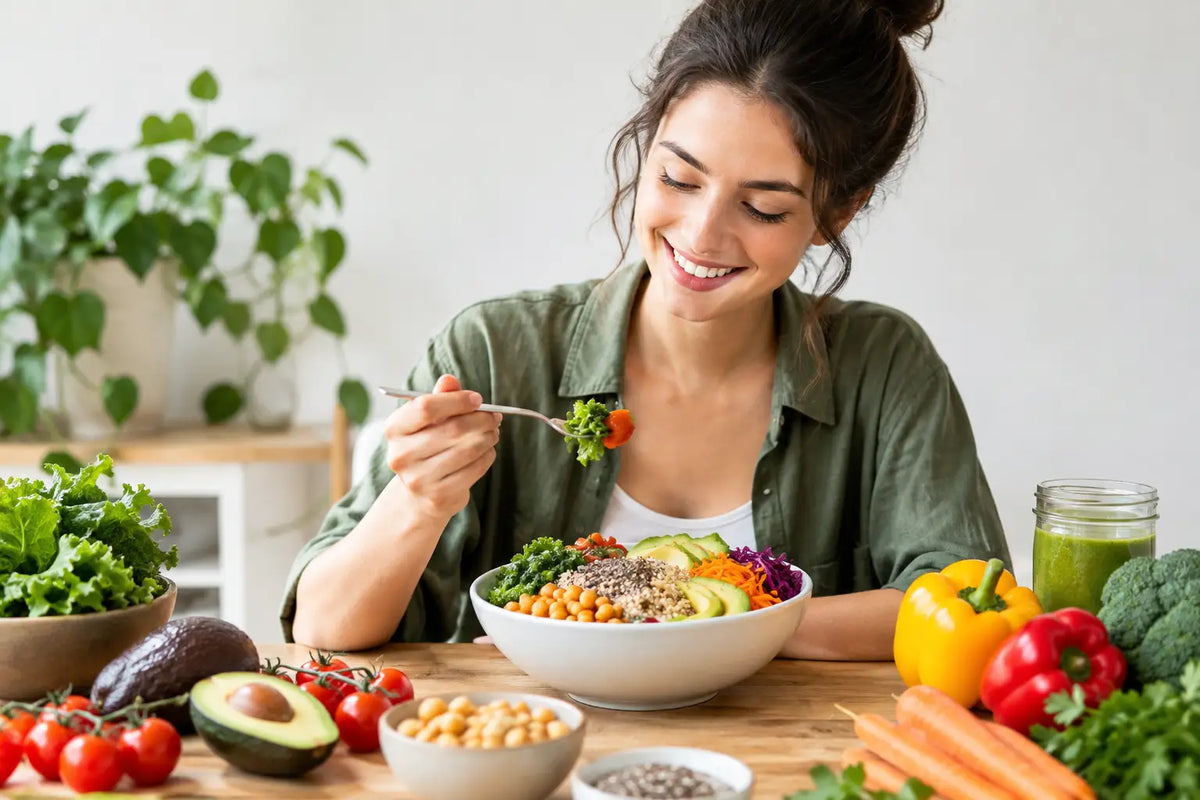
A practical plate can have a base of rice, potato, wholegrain bread or pasta, a solid source of plant protein, vegetables and a source of good fats such as olive oil, tahini or nuts. This combination is not a rule with measuring cups. It is an easy way to avoid ending up with a plain salad that leaves you hunting for a snack an hour later.
Vegan eating for beginners: the everyday basics
Plant protein does not sit in one product or one meal. You build it across the day. Lentils, beans, chickpeas, butter beans, peas, tofu, tempeh, soy, soy products and plant drinks with protein can go into different meals without making your food monotonous.
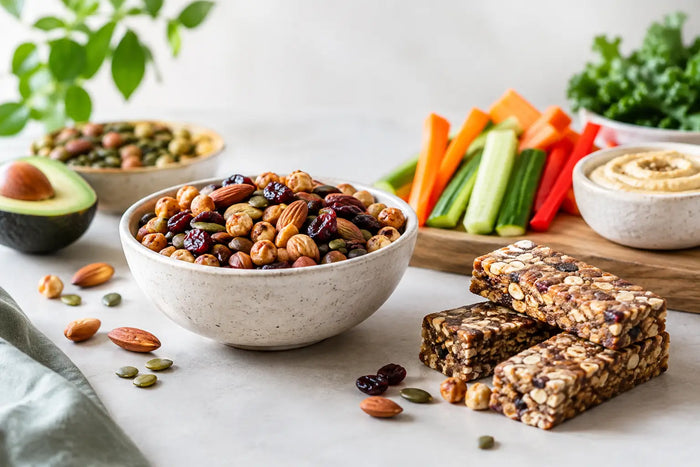
For breakfast, a bowl of oats with a calcium fortified plant drink, fruit and peanut butter is a simple start. If you prefer savory flavors, wholegrain bread with hummus, tomato and sesame does the job. Breakfast does not need to be Instagram-ready. It needs to get you out of the house without rushed choices.
For lunch and dinner, think about recipes you can cook in batches. Lentils with rice, oven baked chickpeas with vegetables, beans with greens, pasta with tomato sauce and red lentils, or a bowl with quinoa, tofu and roasted vegetables. Cook two or three extra portions. Being organized is not a restriction, it is fewer decisions when you have no time.
Carbohydrates are not the enemy of a vegan plate. Potatoes, rice, oats, bread and pasta give you a base and keep things practical. Go for wholegrain options often, but without going overboard or feeling guilty. If white rice makes your meal easier and more likely to happen instead of a random takeout order, it has a place in your kitchen.
The nutrients that need a plan
A vegan diet can be complete, but some nutrients should not be left to chance. Vitamin B12 is the clearest example. Vegan diets need a reliable source of B12, usually a supplement or fortified foods, with guidance from a health professional on the form and the dose that suits you.
Calcium deserves attention too. Choose calcium fortified plant drinks and plant yogurts when you use them, and put tahini, almonds, broccoli, kale and legumes on your plate often. Read the label: a product being plant based does not mean it is also fortified.
For iron, lentils, beans, tofu, tahini and seeds are useful choices. Combine them with foods rich in vitamin C, such as peppers, lemon, orange or kiwi. A salad with lemon next to your lentils is not a detail, it is a smart everyday move.
Pay attention to iodine as well, especially if you do not use iodized salt, and to omega-3. Walnuts, flaxseed and chia go easily into oats, salads or smoothies. If your needs are higher, you take medication, you are pregnant or you are breastfeeding, personalized advice from a dietitian is the right call.
Snacks are not a small detail
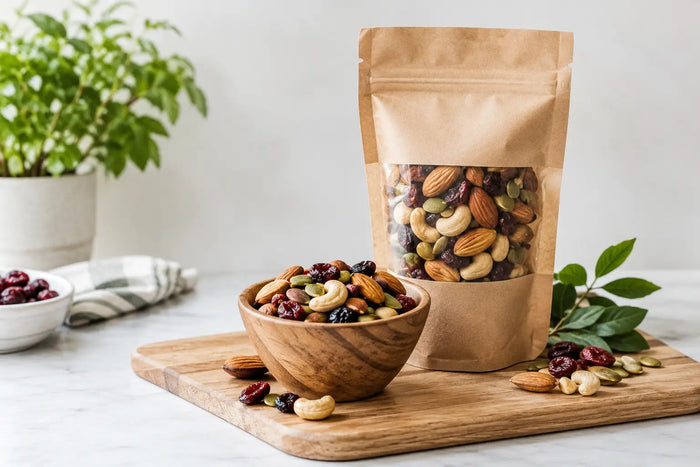
The hours away from home are often where a good intention falls apart. A piece of fruit with a few nuts, crackers with hummus or a plant yogurt are easy answers. But when you are on the move, at the office or between errands, you want something that fits in your bag and needs no preparation.
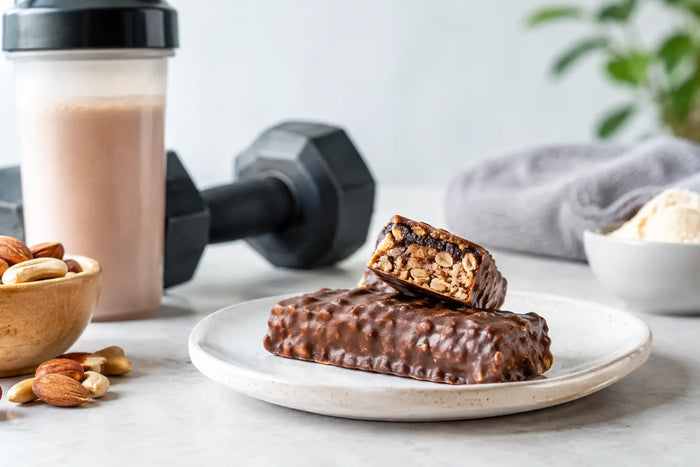
This is where snacks with clean, recognizable ingredients help. A Feel Good bar gives you 18 g of plant protein from peas per 60 g bar, it is vegan and gluten-free, and it has no added sugar. The sweetness comes from royal date paste, which contains naturally occurring sugars. Things you can pronounce, with no tricks.
You do not need to turn every hunger signal into a perfect nutrition project. You need one option that fits your pace, so you can get on with your day.
Read labels without overthinking
At the start you will come across plenty of products with the word vegan on the front of the pack. That only answers whether they contain animal ingredients. It does not tell you how much protein they have, what their base is or whether they fit your own routine.
Look at the ingredient list first. Is it short and easy to understand? Then look at the nutrition panel, especially if you often pick that product instead of a proper meal or snack. For products labelled no added sugar, remember they can still contain naturally occurring sugars from ingredients such as dates or fruit.
Ready made vegan products have their place, especially when they help you keep a new habit going. They just do not need to be the core of your diet. The base is still your kitchen, your legumes, your vegetables and the choices you can repeat.
A simple plan for your first week
Do not start with ten new recipes and a cupboard full of ingredients you do not know how to use. Pick two breakfasts you like, two main meals with legumes and two easy snacks. Buy enough for three or four days, not for a month.
Cook a pot of lentils or chickpeas, boil rice or bake potatoes, wash vegetables and keep a tahini and lemon sauce in the fridge. With those you can put together different plates without starting from zero. Variety comes from small changes in herbs, sauces and combinations, not from exhausting prep.
If one day does not go as planned, the effort is not ruined. A vegan diet is not judged by one meal, but by the choices you repeat. Keep things simple, find the flavors that bring you back to the kitchen and let consistency do the work.